
The Tour de France 2026
Route guide, map, and local info
- Explore France ►
- Essential pages
- Travel in France
- Where to go
- What to see and do
About-France.com
- the connoisseur's guide to France
| Go to ► | The 2026 Tour de France stage by stage | Tour de France Route map |
Find hotels in France |
Site
search
About-France.com
The Tour de France 2026
Mostly in the South of France, and mostly in the hills and mountains.Stage details below
Le Tour 2026 - A GUIDE TO THE ROUTE
Copyright
: If you copy this map on your blog or non-commercial website, you must
credit it to
 2026
Tour de France route map by About-France.com
About-France.com
2026
Tour de France route map by About-France.com
About-France.com
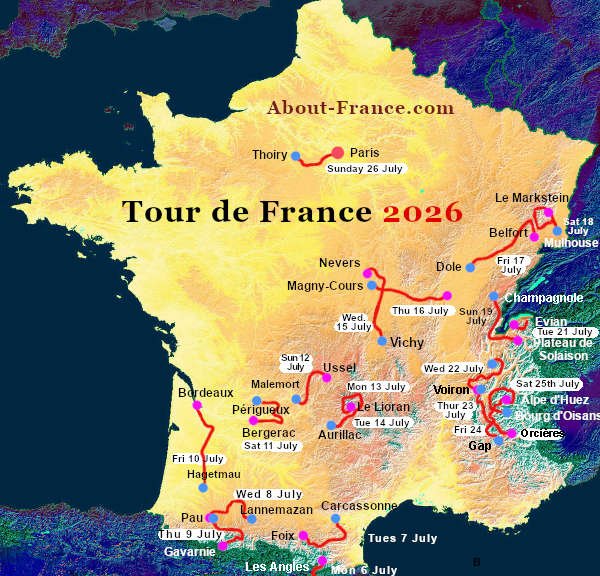
The 2026 Tour de France starts on July 4th In Barcelona, Spain, and
finishes in Paris on Sunday
26th July. Unusually, apart from two days
in central eastern France (Franche-Comté
and Alsace areas)
and the
classic final day around Paris, the whole of the French part of the
tour, after the three days in Spain, is in the southern half of the
country. The south of France being hillier and more mountainous than
the north, the 2026 Tour de France will have plenty up uphills, plenty
of downhills, but not so much on the flat. The official Tour guide
classifies 7 stages as flat, but for some of these, the term is
relative.
2026
Tour de France route map by About-France.com
Riders will take in five different mountain areas, the Pyrenees, the Massif Central, the Vosges, the Jura and the Alps - with five and a half days in the Alps.
After that, it's back north for the final day's ride around Paris, for the traditional finish on the Champs Elysées.
After two and a half days in Spain, riders end the third stage at Les Angles, a ski resort in the eastern Pyrenees. Next day is a day in the Aude and the foothills of the Pyrenees, with a ride from the historic UNESCO heritage site of Carcassonne, to Foix, capital of the Ariège. The following day is another in the Pyrenean foothills, taking riders from Lannemazan to Pau - which is also the departure point for the next day, the real Pyrenean day finishing in the spectacular setting of the Cirque de Gavarnie.
Discover
France by train with
►Trainline.com - French train tickets - Best rates, no extra fee, no surcharge, seating choice. Available worldwide for print-your-own tickets or e-tickets.

On Friday 10th, riders have a relatively flat ride from the
small town of Hagetmau, in the Landes department, as far as Bordeaux,
another UNESCO world heritage site. Saturday is a tour of the
Dordogne, starting
at Bergerac and finishing at Périgueux, and taking
in some of the major sites of the department, including Sarlat, La
Roche Gageac and Les Eyzies. The next day, Sunday 12th, takes riders
from Malemort, in the Corrèze near Brive la Gaillarde, to Ussel,
passing through the pretty small towns of Collonges la Rouge and
Turenne, then across the sparsely-populated forested area of the
Plateau de Millevaches (which actually means a thousand lakes, not a
thousand cows!), to Ussel.►Trainline.com - French train tickets - Best rates, no extra fee, no surcharge, seating choice. Available worldwide for print-your-own tickets or e-tickets.
Monday 13th is a rest day in the Cantal department of the Auvergne, before a gruelling day on 14th July, taking riders through the volcanic Cantal mountains for a finish at the ski resort of Le Lioran. Stage 11, on 15th July, is another relatively flat stage, as riders go along the Allier and Loire valleys from the genteel spa town of Vichy, to the town of Nevers, in western Burgundy. The following day is a hilly ride across the south of the Morvan hills, starting at the Magny-Cours race circuit just south of Nevers, and finishing at Châlon-sur-Saône. Next day, Friday 17th July, is the longest ride of the tour, 205 km, taking riders through the northern part of the Franche-Comté area from Dole to Belfort., at the foot of the Vosges mountains. The following day is in Alsace, taking riders from the industrial city of Mulhouse, with its national railway museum and car museum, to a finish at the top of the Markstein mountain.
Stage 15, on Sunday 19th July, is the start of the Alpine interlude; riders set off from the small town of Saint-Claude in the Jura mountains, before skirting round the western tip of Switzerland for an Alpine finish at the Plateau de Solaison. The next four days are spent in the Alps, and include, for the first time ever, two finishes at the Alpe d'Huez, at 1850m - the second of these two stages, starting in Bourg d'Oisans, taking in the daunting Col du Galibier, at 2642 m, the highest point in the 2026 Tour.Given the erratic weather extremes of 2026, it is not impossible that the top of the Galibier pass could be under snow.
The Tour concludes on Sunday 26th July, after a leisurely 130 km ride from Thoiry, including a tour through the streets of Paris, up over the hill of Montmartre, for the final sprint to the finish on the Champs Elysées.
Accommodation for the Tour
de France
All hotel rooms in and around the start and finish points get booked up very fast by the teams and the media.
To avoid disappointment, check out available hotel rooms as soon as possible, using the major online portals booking.com or Hotels.com ,
All hotel rooms in and around the start and finish points get booked up very fast by the teams and the media.
To avoid disappointment, check out available hotel rooms as soon as possible, using the major online portals booking.com or Hotels.com ,
Tour de France 2026 -stage details
The 2026 Tour de France starts on Saturday 4th July in Barcelona.Click links for guides to the areas and towns in France along the route.
|
Stage 1 |
Saturday 4th July |
Time trials Barcelona |
(19 km) |
|
Stage 2 |
Sunday 5th July |
Tarragona to Barcelona |
182 km |
|
Stage 3 |
Monday 6th July |
Granollers (Catalonia) to Les Angles |
196 km |
|
Stage 4 |
Tuesday 7th July |
Carcassonne to Foix (Ariège) |
182 km |
|
Stage 5 |
Wednesday 8th July |
Lannemazan to Pau (Pyrenees) |
158 km |
|
Stage 6 |
Thursday 9th July |
Pau to Gavarnie (Pyrenees) |
186 km |
|
Stage 7 |
Friday 10th July |
Hagetmau to Bordeaux (Aquitaine) |
175 km |
|
Stage 8 |
Saturday 11th July |
Bergerac to Perigeux (Dordogne) |
182 km |
|
Stage 9 – |
Sunday 12th July |
Malemort to Ussel (Corrèze) |
185 km |
|
Rest day |
Monday 13th July |
Rest day - Cantal (Auvergne) |
|
|
Stage 10 |
Tuesday 14th July |
Aurillac to Le Lioran (Massif Central) |
167 km |
|
Stage 11 |
Wednesday 15th July |
Vichy (Auvergne) to Nevers (Burgundy) |
161 km |
|
Stage 12 |
Thursday 16th July |
Magny-Cours to Châlon sur Saône (Burgundy) |
181 km |
|
Stage 13 |
Friday 17th July |
Dole to Belfort (Franche-Comté) |
205 km |
|
Stage 14 |
Saturday 18th July |
Mulhouse to le Markstein (Alsace) |
185 km |
|
Stage 15 |
Sunday 19th July |
Champagnole (Franche-Comté ) to Plateau de Solaison (Alps) |
185 km |
|
Rest day |
Monday 20th July |
Alps |
|
|
Stage 16 |
Tuesday 21st July |
Evian to Thonon les Bains (Alps ) time trials |
26 km |
|
Stage 17 |
Wednesday 22ndJuly |
Chambéry to Voiron (Alps) |
175 km |
|
Stage 18 |
Thursday 23rd July |
Voiron (Alps) to Gap (Provence Alps) |
185 km |
|
Stage 19 |
Friday 24th July |
Gap to Alpe d'Huez |
128 km |
|
Stage 20 |
Saturday 25th July |
Bourg d'oisans to Alpe d'Huez |
171 km |
|
Stage 21 |
Sunday 26th July |
Thoiry to Paris |
130 km |
Archives - For the record:
Routes of theTour de France 2008 : Tour de France 2009
Tour de France 2010 Tour de France 2011
Tour de France 2012 Tour de France 2013
Tour de France 2014 Tour de France 2015
Tour de France 2016 Tour de France 2017
Tour de France 2018 Tour de France 2019
Tour de France 2020 Tour de France 2021
Tour de France 2022 Tour de France 2023
Tour de France 2024 Tour de France 2025
Visit the Official site of the tour de France
A brief introduction to the regions of France
Copyright
© About-France.com 2007 - 2026 except where otherwise stated.
About-France.com
Home
page - Regions
- Maps of France
- Contact

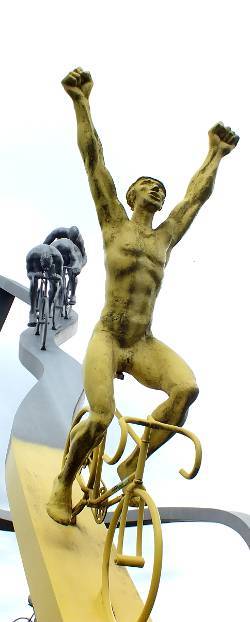
Stage 20 takes riders past the monument to Henri Desgranges, founder of the Tour de France, at 2600 metres altitude near the col du Galibier
Photo taken in June.
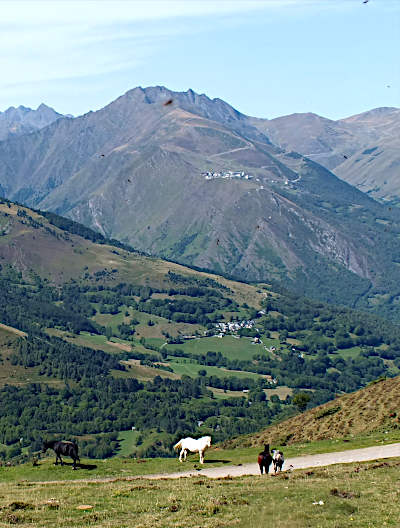
In the Pyrenees - up over cols, down into valleys
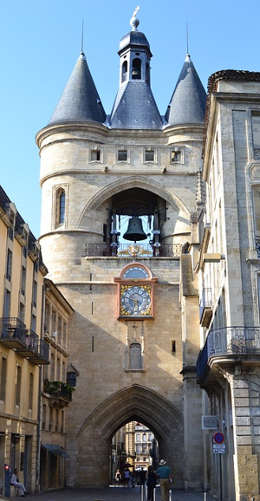
Old Bordeaux
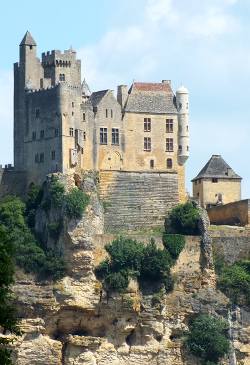
Beynac, in the Dordogne
Photos About-France.com
.
France
you don't know...
Discover Offbeat France, a selection of wacky sites and attractions that most visitors have never heard of !.
Discover Offbeat France, a selection of wacky sites and attractions that most visitors have never heard of !.
Click here for
low-cost car hire in France
low-cost car hire in France