

From
Paris to the Loire and Burgundy
| The heart of France in more detail | Visiting Paris | The Centre region |
| The western Loire | Burgundy guide |
A short guide to the area at the heart of the history of France
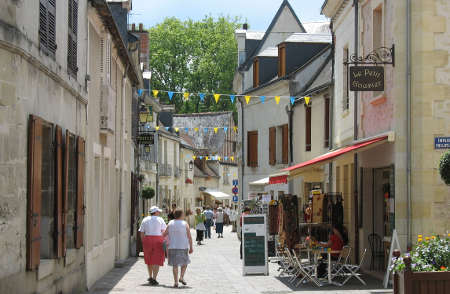
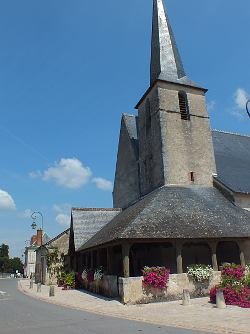
Small town in the heart of France
| Hotels in the heart of France and other places to stay |
| Hotels
in Paris |
| Hotels in Burgundy |
| Hotels in the Loire valley |
| Small hotels in central France |
| Gites
in the Loire valley |
| Bed & Breakfast in central France |
The areas to the south and west of Paris, and notably the Loire valley chateaux area, which begins a hundred miles south-west of the capital, are by far the most popular regions with American tourists, and generally speaking with visitors from Japan, China and other distant parts of the world. Paris, which is less than three hours by train from London, or two hours from Brussels, is also the most popular destination for visitors from the UK.
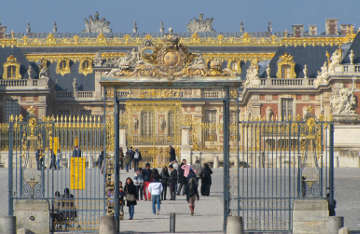
Versailles - the palace
 A large choice of day trips from Paris
to the classic sights of central France, including Loire Chateaux (1
or 2-day trips),
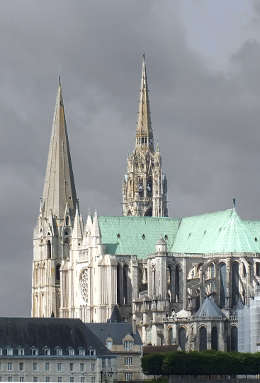
Chartres, Versailles and Champagne are available and can be booked
online from Paris
City vision .
A large choice of day trips from Paris
to the classic sights of central France, including Loire Chateaux (1
or 2-day trips),
Chartres, Versailles and Champagne are available and can be booked
online from Paris
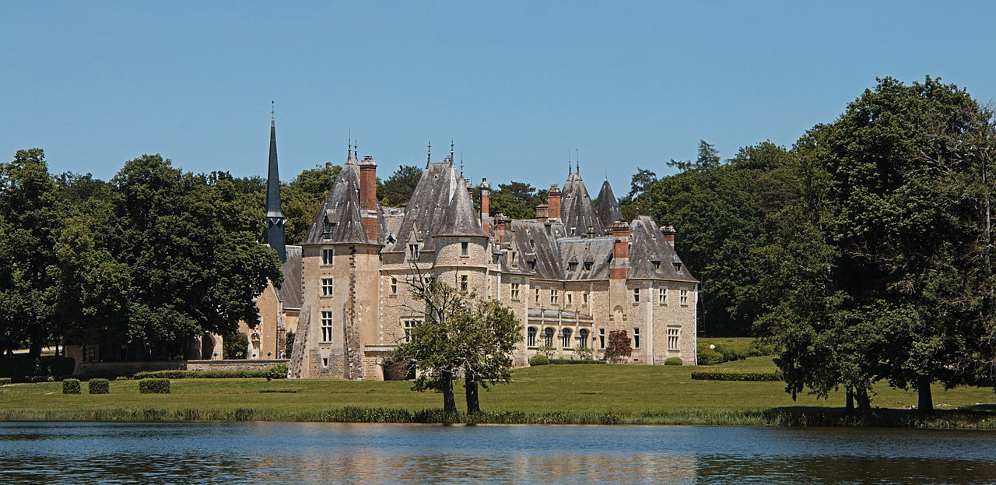
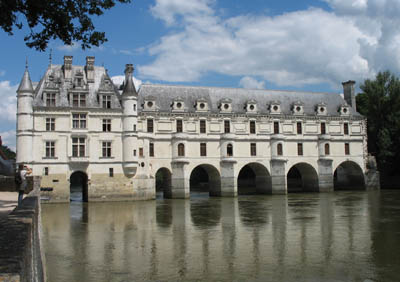
City vision .An hour's drive south from Chartres, the central Loire Valley area - between Orleans and Tours, is home to the most famous and most visited châteaux, such as Chenonceaux, built actually on the river Cher. While the most visited of the Loire châteaux attract a lot of visitors, not so many tourists venture to discover the byways of this attractive region. As well as its castles, this area, known as "the garden of France", is famous for its mild climate, its small towns like Blois or
 Bourges,
and its vineyards. As the historic French
heartland, the area is rich in history and culture. The countryside
is gentle, with undulating hills and quietly flowing rivers - an ideal
region for those who just want to be lazy, or to enjoy eating out,
fishing or just exploring the countryside.
Bourges,
and its vineyards. As the historic French
heartland, the area is rich in history and culture. The countryside
is gentle, with undulating hills and quietly flowing rivers - an ideal
region for those who just want to be lazy, or to enjoy eating out,
fishing or just exploring the countryside. The longest river entirely in France, the Loire is unsuitable for navigation, over most of its length, on account of its erratic flow and its shifting sandbanks. However southwards from Briare, and connected to Paris, there is a canal that is popular for pleasure boating.
The "Sologne" area, south of the Loire, contains the remaining parts of a once huge forest, rich with wildlife, that originally encouraged the kings and princes of France to build their castles in this region. For more information visit the guide to the Centre region of France.
The Loire Valley is also well-known for its many vineyard area (see French wine guide); though less well-known than some other French wine-growing areas, the Loire valley produces a lot of good quality wines, including reds, whites and rosés, and even some very good sparkling wines.
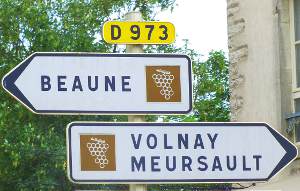
There are plenty of wine routes to discover in Central France - in Burgundy, Champagne and the Loire valley
In the eastern part of the heart of France is the Burgundy region, famous for its wines; but in fact the wine-growing region of Burgundy is quite small, lying mostly in a ribbon along the western edge of the Saone plain, south of Dijon. This part of Burgundy is rich in places to visit, including Dijon and Beaune (the wine capital). Closer to Paris, in the northern part of Burgundy, the Morvan hills are the last outcrop of the uplands of central France and the highest land within 200 km of Paris. The Morvan is hill country, and there are good hiking paths; but it is not mountain country.
The northern part of Burgundy also includes some small vineyard areas, the best-known of which is around Chablis.
Main cities:
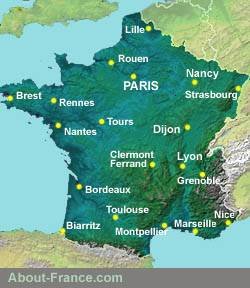
Tours, Angers, Orléans, Dijon. Paris.
Going further: (more detailed information, including major tourist attractions)
Accommodation: